Online Counselling & Telehealth
Online counselling and telehealth offer a flexible way to access therapy while maintaining the same professional standards as in‑person work. In my practice, online therapy is provided thoughtfully, securely, and in a way that prioritises safety, privacy, and therapeutic quality.
This page explains how online therapy works, who it may suit, and what you can expect.
How Online Therapy Works
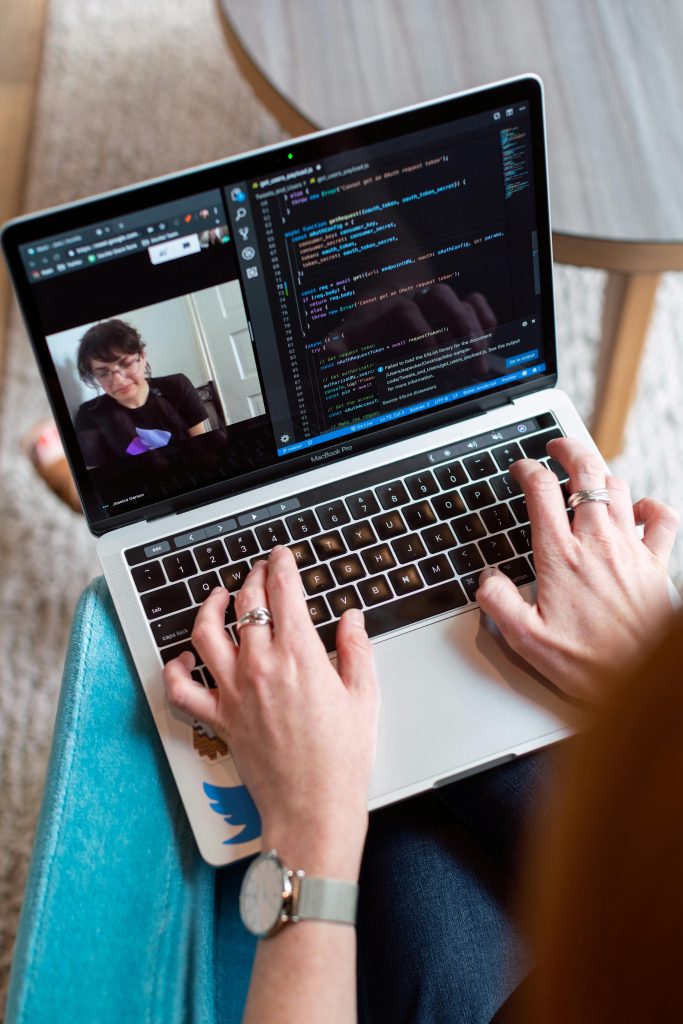
Online sessions are conducted via secure video conferencing. Sessions are scheduled in the same way as in‑person appointments and follow the same therapeutic structure.
From a clinical perspective, online therapy allows for:
- Continuity of care regardless of location
- Greater accessibility for people with mobility, health, or time constraints
- A familiar and comfortable setting for many clients
Therapy remains relational, attuned, and collaborative — the medium does not change the core of the work.
Is Online Therapy Effective?
Research indicates that online therapy can be as effective as face‑to‑face work for many concerns. In my experience, the effectiveness of therapy depends more on the quality of the therapeutic relationship and the appropriateness of the approach than on whether sessions are held online or in person.
Some people prefer online therapy from the outset; others choose it due to practical circumstances. Both are valid.
What Online Therapy May Be Helpful For
Online counselling and psychotherapy may be suitable for people experiencing:

- Anxiety and stress
- Depression or low mood
- Trauma‑related difficulties
- Relationship and attachment concerns
- Life transitions and adjustment issues
- Habit or behaviour change
If you’re unsure whether online therapy is appropriate for your situation, this can be discussed together.
Privacy and Confidentiality
Confidentiality is a core part of therapeutic work, whether sessions are held online or in person.
In my practice:
- Secure, privacy‑compliant platforms are used
- Sessions are not recorded
- You are encouraged to choose a private, quiet space
- Confidentiality limits are explained clearly
I’m happy to discuss any concerns you have about privacy or security.
Using Hypnotherapy Online
Hypnotherapy can be offered online for some people and concerns. When hypnotherapy is used via telehealth:
- Suitability is assessed carefully
- The process is explained in advance
- Grounding and safety are prioritised
- You remain aware and in control throughout
If hypnotherapy isn’t appropriate online, alternative therapeutic approaches are used.

What You’ll Need
To participate in online therapy, you’ll need:
- A stable internet connection
- A device with a camera and microphone
- A private, comfortable space
- Headphones if possible
I provide guidance if you’re new to online therapy or unsure how to set up.
Boundaries and Professional Standards
Online therapy follows the same ethical and professional standards as in‑person work, including:
- Clear therapeutic boundaries
- Professional confidentiality
- Informed consent
- Ongoing assessment of suitability
If at any point online therapy is no longer appropriate, this is discussed openly.
How This Fits With My Practice
Online counselling and telehealth are offered within the same integrative, trauma‑aware framework described throughout this site.
You may also find it helpful to explore:
- Psychotherapy, Counselling and Hypnotherapy
- What I Help With
- Hypnotherapy Explained
- What to Expect in Therapy
Next Steps
If you’re considering online therapy, you’re welcome to book an appointment or arrange a complimentary introductory session. This offers an opportunity to discuss your needs, ask questions, and decide whether online counselling feels like the right option for you.

Face-to-Face Counselling vs Online Counselling
Choosing the right counselling format is an important part of your therapeutic journey. Both face-to-face and online counselling are effective, evidence-based ways to receive support. The best option depends on your needs, preferences, and circumstances.
Face-to-Face Counselling
Face-to-face counselling involves meeting your counsellor in person at a clinic or practice.
Benefits
- In-person connection: Some people feel more emotionally connected when sharing the same physical space.
- Non-verbal communication: Body language, posture, and subtle cues can be more easily observed.
- Structured environment: Attending a dedicated therapy space can help create a sense of focus and separation from daily life.
- Suitable for complex presentations: Some clients prefer in-person sessions when working through trauma, severe distress, or relational issues.
Considerations
- Requires travel time and transport
- Less flexible scheduling
- May be difficult for people in rural or remote areas
- Not always accessible for those with mobility, health, or time constraints

Online Counselling (Telehealth)
Online counselling is delivered via secure video platforms and allows you to attend sessions from your own home or chosen private space.
Benefits
- Greater accessibility: Ideal for clients in regional or remote areas across Australia
- Convenience: No travel required, saving time and cost
- Flexible scheduling: Easier to fit into busy lives
- Comfort: Many people feel more at ease speaking from their own environment
- Evidence-based: Research shows online counselling is as effective as face-to-face therapy for many mental health concerns
Considerations
- Requires a stable internet connection
- A private, quiet space is important
- Some people prefer in-person interaction, particularly early in therapy
Effectiveness: What Does the Research Say?
Studies consistently show that online counselling is equally effective as face-to-face therapy for concerns such as:
- Anxiety
- Depression
- Stress and burnout
- Relationship difficulties
- Grief and loss
The quality of the therapeutic relationship is far more important than the delivery method.
Which Option Is Right for You?
You may prefer face-to-face counselling if you:
- Value in-person connection
- Feel more comfortable sharing in a clinical setting
- Prefer minimal reliance on technology
You may prefer online counselling if you:
- Have a busy schedule
- Live in a rural or remote area
- Experience mobility, health, or transport challenges
- Want greater flexibility and convenience
Many clients choose a combination of both, depending on their needs over time.
Our Approach
Thinkshift has been providing Online Counselling and dynamic psychotherapy via zoom and skype for many years now.
We offer both face-to-face and online counselling services to ensure support is accessible, flexible, and tailored to you. If you are unsure which option is best, we are happy to discuss your preferences and help you decide.
So please contact us on 0411 576 676 or by emailing and sending us a message via the links below.