
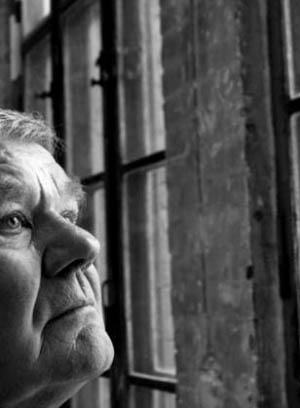
Grief and Loss are parts of the human condition.
Grief is a natural and deeply personal response to loss. While grief is often associated with the death of a loved one, people may also experience grief following relationship breakdowns, health changes, loss of identity, career transitions, trauma, or major life changes.
Everyone experiences grief differently. There is no “right” way to grieve, and no fixed timeline for healing. Counselling, psychotherapy, and clinical hypnotherapy can provide compassionate support during times of emotional pain, adjustment, and uncertainty.
Grief can affect emotional, psychological, physical, and social wellbeing. Some people experience intense sadness, while others may feel numb, anxious, angry, confused, or emotionally disconnected.
Common experiences associated with grief may include:
Grief is not always linear. Emotions may come and go unexpectedly, and significant dates, memories, or life events can sometimes reactivate feelings of loss.
People may seek support for many different forms of grief and loss, including:
Some losses are openly recognised by others, while some can feel more private or difficult to talk about.
Although grief is a normal human experience, some people may feel emotionally stuck, overwhelmed, or unable to cope with daily life. Prolonged stress, unresolved trauma, or complicated emotional responses can sometimes intensify the grieving process.
Seeking support does not mean “moving on” or forgetting someone important. Therapy can provide a space to process emotions safely, make sense of painful experiences, and gradually adapt to life after loss.
Counselling and psychotherapy offer a supportive and non-judgemental environment where you can talk openly about your experiences and emotions at your own pace.
Therapy may help you:
Different therapeutic approaches may be used depending on your individual needs and circumstances.
Clinical hypnotherapy may assist some individuals experiencing anxiety, emotional overwhelm, stress, or difficulty adjusting following loss. Hypnotherapy is generally experienced as a calm and focused therapeutic state that may support relaxation, emotional regulation, and internal coping resources.
Hypnotherapy may be integrated alongside counselling and psychotherapy to support:
Grief is deeply personal, and therapy is tailored to your individual experience, needs, and readiness. Sessions are conducted in a safe, respectful, and supportive environment where you can explore emotions without pressure or judgement.
Healing does not mean forgetting. Often, it involves learning how to carry loss differently while gradually rebuilding emotional balance and connection with life.
If grief, bereavement, or major life loss is affecting your emotional wellbeing, relationships, or ability to cope, professional support may help. Through an integrative approach combining counselling, psychotherapy, and clinical hypnotherapy, therapy can provide compassionate guidance and support as you work through loss, strengthen emotional resilience, and move toward healing at your own pace.