
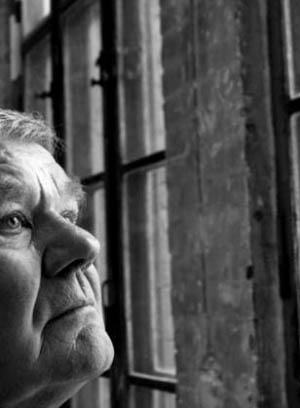
Grief and Loss Support
Experiencing the loss of a loved one, a relationship, a job, or even a life stage can be profoundly challenging. Grief is a natural response to loss, but its impact can be overwhelming, affecting your emotions, thoughts, physical health, and daily functioning. At our practice, we provide compassionate support to help you navigate this difficult journey.
Understanding Grief
Grief is unique to each individual. There is no “right” way to grieve, and the process can involve a mix of emotions including sadness, anger, guilt, confusion, and even relief. Grief may also bring physical symptoms such as fatigue, changes in appetite, or difficulty concentrating. Understanding your own experience of grief is a crucial step toward healing.
How Therapy Can Help
Psychotherapy, counselling, and hypnotherapy offer safe spaces to process your grief and explore ways to cope with loss. Our tailored approaches can help you:
Psychotherapy Approaches
We draw on evidence-based approaches suited to your individual needs, including:
When to Seek Support
It’s common to feel overwhelmed by grief, but professional support may be helpful if you notice:
Reaching out for support is not a sign of weakness—it’s a step toward healing. Together, we can work through your grief at your own pace, helping you honour your loss while finding ways to move forward.