Art Therapy Solutions at Thinkshift have developed from the origins of Art therapy. Art Therapy comes from the combination of two fields: art and psychotherapy. Art Therapy branches out into other fields, from art therapy for children, to art therapy as part of emotional release and healing. Art therapy is a therapeutic process that uses art as a form of therapy, or as part of therapy.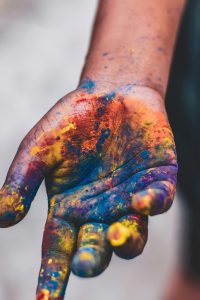
The earliest form of art psychotherapy was the psychoanalytic approach, which used the transference process between a therapist and the client. Transference is a Freudian term used to describe the unconscious redirection to others or feelings and attitudes associated with significant figures from the person’s childhood. The client’s art was then analysed by the therapist, who interpreted the art’s symbolism as a form of self-expression. This process also included eliciting interpretation from the client. However the analysis of transference is not the only part of art therapy; other parts include emotional work, self-awareness, personal and professional growth.
 Versatility
Despite being enormously beneficial for those people experiencing difficulties, art therapy is also suitable in emphasizing healthy aspects of a person’s life. By focussing on art, regardless of its form, a person can explore their own creativity, providing themselves with valuable insight into who they are, especially in relation to certain areas of their life.
Today art therapy can be found throughout and across the world, and it is now being implemented in many hospitals and mental health facilities, as well as community groups, to promote emotional and mental development and growth.
Art therapy has been further expanded to include the cognitive development of children and those people with psychological challenges. Art therapy is now an important tool for communication, expression, assessment and treatment of all people.
 Therapeutic
Therapeutically, art can be a safe way to explore one’s inner world, including emotions and thoughts. This means being able to balance the therapeutic needs of clients with the freedom of artistic exploration. Art therapy is also able to help others work through issues in their own life. For example, from a young child that is finding it difficult to fit into their new step family, to a professional undergoing a significant amount of stress in their professional life, art therapy can be the therapeutic vehicle needed to explore the problem at hand, and the other issues that directly or indirectly relate to it.

Art Therapy helps us achieve self-awareness. It helps illuminate all areas of our psyche, including the dark regions we may be frightened of exploring. Art, in other words, can trigger an unknown aspect of our psyche, helping us to recognize ourselves more clearly. Art Therapy can be a whole lot of fun too.