
Many people struggle with habits they want to change but feel unable to control. These unwelcome habits are often automatic, repetitive behaviours or thought patterns that persist despite our best intentions.
Rather than being a lack of willpower, unwelcome habits are usually learned responses that once served a purpose—but no longer support your wellbeing.
Unwelcome habits can include behaviours, thoughts, or emotional reactions such as:
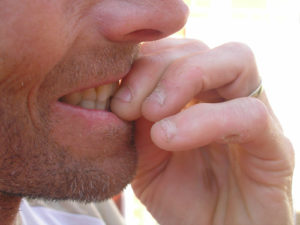
Nail-biting or skin-picking
Smoking or vaping
Overeating or emotional eating
Procrastination or avoidance
Compulsive checking or reassurance-seeking
People-pleasing or difficulty setting boundaries
Persistent negative self-talk
Anxiety-driven habits or stress responses
These patterns often feel automatic, making change frustrating and discouraging.
Counselling focuses on awareness, understanding, and practical change. Through counselling, you can:
Identify triggers and patterns behind the habit
Explore emotional or situational factors maintaining it
Develop healthier coping strategies
Build motivation, self-compassion, and accountability
Counselling is particularly helpful for habits linked to stress, life transitions, or current challenges and offers a supportive, collaborative space to begin change.
Psychotherapy works at a deeper level, exploring the underlying emotional and psychological drivers of habits. This approach may address:
Long-standing or deeply ingrained habits
Patterns connected to childhood experiences or attachment
Trauma, anxiety, or emotional regulation difficulties
Core beliefs that keep habits in place
Rather than simply trying to stop the habit, psychotherapy helps uncover what the habit is doing for you, allowing change to occur in a more sustainable and compassionate way.
Hypnotherapy works with the subconscious mind, where many habits are stored and maintained. Hypnotherapy can:
Interrupt automatic habit loops
Reduce urges and cravings
Strengthen motivation and self-control
Support new, healthier responses
Align subconscious patterns with conscious goals
It can be especially effective when you feel “I know what I should do, but I don’t do it.”
For many people, the most effective results come from combining approaches.
An integrated model may involve:
Counselling for insight, support, and strategies
Psychotherapy for deeper emotional healing
Hypnotherapy for rapid and lasting habit change
This holistic approach supports the mind, emotions, nervous system, and subconscious—rather than relying on willpower alone.
Unwelcome habits are not failures or flaws. They are often adaptive responses that developed to cope with stress, emotion, or past experiences. With the right support, these patterns can be gently understood, updated, and released.
Change doesn’t have to be a battle—it can be a process of understanding and growth.
If you would like to explore psychotherapy, counselling, or hypnotherapy can help with Unwelcome Habits, you’re welcome to book an appointment or arrange a complimentary introductory session. This offers an opportunity to ask questions, discuss your needs, and decide whether this approach feels like a good fit for you.
You may also wish to explore: